Walworth Road garden maintenance guide for terraced homes
If you live in a terraced house near Walworth Road, you already know the garden can be a blessing and a bit of a puzzle. Space is tighter, access is often awkward, and the smallest jobs can snowball fast if they are ignored. This Walworth Road garden maintenance guide for terraced homes is designed to help you keep things tidy, manageable, and genuinely pleasant to use without turning every weekend into a never-ending chores list. Whether you have a compact rear garden, a narrow strip of soil, or a paved yard that collects leaves like it has a hobby, the right routine makes all the difference.
In practice, terrace gardens need a different approach from larger suburban plots. You want clean edges, sensible planting, practical access, and maintenance that fits real life. Not perfection. Just a space that works, looks cared for, and does not create avoidable headaches. Let's get into the details.
Table of Contents
- Why this matters for Walworth Road terraced homes
- How the maintenance routine works
- Key benefits and practical advantages
- Who this is for and when it makes sense
- Step-by-step guidance
- Expert tips for better results
- Common mistakes to avoid
- Tools, resources and recommendations
- Law, compliance, standards, or best practice
- Options, methods, or comparison table
- Case study or real-world example
- Practical checklist
- Conclusion
- Frequently asked questions
Why Walworth Road garden maintenance guide for terraced homes Matters
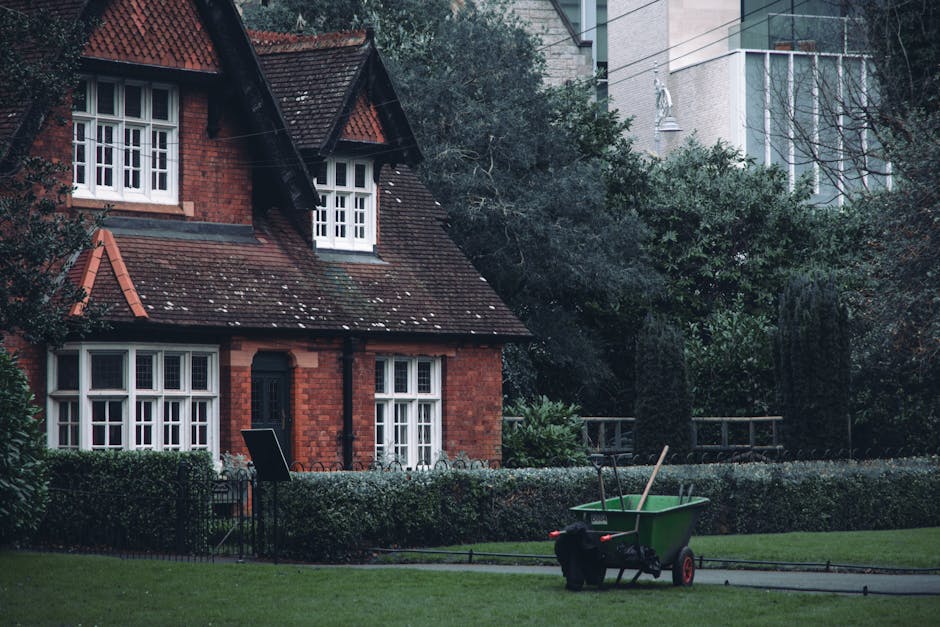
Terraced homes in this part of London often have gardens that are small, enclosed, and very visible from the house. That sounds simple, but it changes how maintenance should be handled. A neglected terrace garden can feel cluttered surprisingly quickly. Weeds push through paving, hedges lean into neighbours' space, and a patchy lawn can start to look tired after a wet spell and a few heavy footfalls.
The real issue is not just appearance. In narrow gardens, poor maintenance can affect drainage, access, safety, and even privacy. A slippery path, overgrown boundary planting, or stacked garden waste can make an otherwise decent space awkward to use. And if you rent, sell, or let the property, first impressions count more than people admit.
To be fair, the difference between a garden that feels "nice enough" and one that feels genuinely looked after is often only an hour or two of regular work each month. The trick is knowing what to prioritise.
For homeowners who want reliable upkeep without the hassle, it can also help to understand the scope of garden maintenance services and how they fit into a terrace-sized outdoor space. That is especially useful when the jobs start stacking up after winter or a growth burst in spring.
Expert summary: Terraced gardens work best when maintenance is frequent, light, and practical. Small spaces reward consistency far more than occasional big clear-outs.
How Walworth Road garden maintenance guide for terraced homes Works
Good terrace garden maintenance is part routine, part judgement. You do not need a full redesign to make the space work. You need a clear rhythm that keeps plants healthy, hard surfaces safe, and boundaries under control.
In a typical Walworth Road terrace garden, the maintenance cycle usually includes:
- Weekly or fortnightly checks for weeds, bin area clutter, overhanging growth, and lawn condition.
- Monthly tidying of edges, paths, furniture, planters, and general debris.
- Seasonal jobs such as hedge trimming, leaf removal, pruning, and refreshing mulch or soil.
- Occasional heavier work like clearance, reshaping, decking care, or tree-related work if growth has become unmanageable.
The reason this works so well is simple: smaller jobs stay small. Once a terrace garden gets overgrown, every task takes longer because there is less space to move, store waste, or work around obstacles. A narrow side return or rear access can turn what should be a quick tidy into a far more awkward project. Anyone who has wrestled a bag of wet cuttings through a tight passage will know the feeling.
For larger tidy-ups, garden clearance can be the practical reset button before maintenance begins again. That is often the point where a space stops feeling chaotic and starts feeling usable again.
Terraced home maintenance also works best when the garden layout itself supports easy care. Straightforward paving, sensible planting beds, and durable surfaces reduce the time spent on repetitive work. If you are looking at changes rather than just upkeep, a broader landscaping approach may be worth considering.
Key Benefits and Practical Advantages
Keeping on top of a terrace garden gives you more than a neat view from the kitchen window. The benefits are practical and immediate.
- Less stress: A small space can start to feel busy very quickly. Regular maintenance stops it from becoming another thing hanging over your head.
- Better use of space: When the garden is tidy, even a modest courtyard can feel bigger and more useful.
- Improved safety: Clear paths, stable edges, and clean surfaces reduce slips and trips.
- Healthier plants: Pruning, feeding, and clearing dead growth helps plants respond properly.
- Better neighbour relations: In terraced settings, hedges and boundary planting can become a shared issue if they are left to spread.
- Stronger property presentation: A well-kept garden quietly lifts the whole home, which matters if you are welcoming guests, tenants, or buyers.
There is also a quieter benefit people often miss: good maintenance helps you notice change early. A patch of soggy soil, a dead section in a hedge, or a new crack in paving is easier to deal with when you spot it early. Wait too long and it becomes one of those little jobs that somehow becomes a major job. Funny how that happens, isn't it?
If your garden includes a lawn, regular lawn mowing keeps growth controlled and the whole space feeling sharper. If you have hedges or tall screening plants, routine hedge trimming can make a bigger visual difference than many people expect.
Who This Is For and When It Makes Sense
This guide is useful for a few different kinds of residents.
- Owner-occupiers who want a tidy, low-fuss outdoor space without spending every Saturday morning on it.
- Landlords who need the garden to present well between tenancies or inspections.
- Renters who are responsible for upkeep and want clear, workable routines.
- Older homeowners who prefer manageable tasks rather than heavy seasonal overhauls.
- Busy families who need a garden that can survive constant use and still look decent.
It makes sense to follow a structured maintenance routine when you notice any of these signs:
- weeds are coming back faster than you can remove them
- the garden looks messy even after a quick tidy
- paths or steps have become slippery or leaf-covered
- plants are blocking light into the kitchen or rear rooms
- waste, compost, or tool storage is taking over usable space
- the garden has not had a proper reset since winter
In some cases, the issue is not routine maintenance at all. It is design. A terrace garden that was laid out for looks rather than use may need a more practical rethink. That is where landscape gardening can be a smarter long-term answer than repeated patch-up work.
Step-by-Step Guidance
Here is a straightforward way to keep a Walworth Road terrace garden in decent shape without overcomplicating it.
1. Start with a full visual reset
Walk the garden slowly and look at it from the back door, the path, and any seating area. Notice where clutter collects, where weeds keep returning, and where water lingers after rain. This first scan tells you where the real problems are.
2. Remove debris before you touch plants
Pick up branches, broken pots, litter, dead leaves, and loose soil first. Once the surface is clear, the rest of the work becomes much easier. This sounds obvious, but people often skip it and then wonder why the job feels endless.
3. Tackle weeds properly
Pull weeds from beds, edges, and cracks before they set seed. In paved terrace gardens, weeds are often hiding in joints and along fence lines. If you leave them, they come back with a bit of attitude.
4. Cut back overgrowth
Trim hedges, shrub tips, and any plants leaning into walkways or neighbouring boundaries. Keep the shape sensible rather than trying to force everything into a perfect topiary line. Small spaces usually look best when they are clean and simple.
5. Deal with the lawn or groundcover
If you have grass, mow it at a steady height rather than taking too much off in one go. If the area is more of a patchwork of paving, gravel, and small borders, focus on edge definition and moss control. For lawns that need consistent attention, a regular visit from a lawn mowing service may save a lot of effort.
6. Refresh hard surfaces
Sweep paths, scrape slippery patches if appropriate, and wash down paved or decked areas carefully. In tight gardens, hard surfaces often take up more visual space than planting, so cleanliness matters. One dull, dirty slab can make the whole place feel tired.
7. Check drainage and storage
Look for blocked gullies, standing water, or storage items that trap moisture against walls and fences. Drainage is easy to ignore until a rainy week arrives and the garden turns into a wet patch. Better to catch it early.
8. Finish with a light, useful tidy
Reposition furniture, neaten pots, stack tools away properly, and leave the space ready to use. The final result should feel calm, not overworked.
Expert Tips for Better Results
A few practical habits make terrace garden maintenance far more effective.
- Keep the routine short and repeatable. A 20-minute tidy twice a week often works better than a long monthly overhaul.
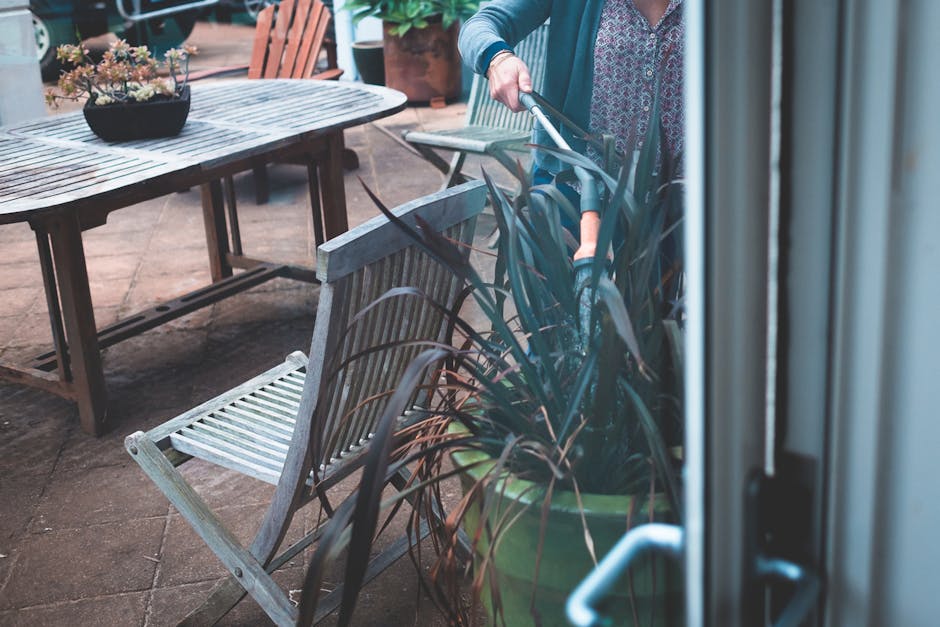
- Use containers deliberately. Pots are brilliant in narrow gardens because they add planting without swallowing ground space.
- Choose plants that do not fight the space. Fast-spreading plants can be lovely, but in a terrace garden they can become a chore.
- Protect the sightlines. If the garden is small, do not block light or views with bulky furniture or oversized planting.
- Work after a dry spell when possible. Wet soil compacts easily, and wet paving is a slip waiting to happen.
- Keep a waste plan. Green waste grows quickly in a small garden. If you do not have a way to remove it, the tidy-up becomes a pile-up.
One thing we have noticed in small London gardens is that a few very good decisions matter more than a dozen minor ones. A neat hedge line, a clean path, and one or two healthy feature plants can carry the whole look. You do not need a lot. You need the right few things done well.
If you have mature trees or branches hanging awkwardly over the garden, do not just guess your way through it. Professional tree lopping and removal may be necessary when growth threatens light, safety, or structures.
Common Mistakes to Avoid
Terrace gardens tend to fail for the same few reasons. The good news is that they are avoidable.
- Letting weeds get established. Once they seed, they spread into every crack and corner.
- Over-pruning plants. Hard cutting can leave a small space looking bare and awkward.
- Ignoring drainage issues. Water pooling under decking or near walls can create long-term problems.
- Using oversized furniture. Big pieces can make a compact garden feel cramped very quickly.
- Skipping edging and boundary care. Uneven edges make even a tidy garden look unfinished.
- Doing too much at once. A full-day blitz sounds heroic until you are exhausted and half the waste is still in bags.
Another common mistake is treating every season the same. Winter maintenance is about clearing, protecting, and preventing damage. Spring is about recovery and growth. Summer is about control. Autumn is about leaf management and preparing for wet weather. If you keep using the same approach all year, the garden will usually tell on you.
Tools, Resources and Recommendations
You do not need a shed full of equipment to maintain a terrace garden properly. A small, sensible kit is usually enough.
- Hand fork and trowel for weeding and border work
- Secateurs for light pruning and deadheading
- Hedge trimmer or loppers for thicker growth, used carefully
- Stiff broom for paths, patios, and steps
- Rake for leaves and loose debris
- Gloves and sturdy footwear because small spaces can still hide sharp bits and slippery patches
- Waste bags or bins so cuttings do not sit around for days
For many homeowners, the smartest approach is a mix of self-care and occasional professional support. You might handle light tidying yourself, then book help for heavier jobs like seasonal clearance, hedge work, or a complete reset. That balance is often the sweet spot. It keeps costs reasonable and avoids the "I'll do it next weekend" cycle that everyone knows too well.
If the garden needs broader improvement beyond simple upkeep, it can help to review services overview options to understand what fits the space, especially if paving, planting, or access are part of the problem.
Law, Compliance, Standards, or Best Practice
For most terrace gardens, the main compliance concerns are practical rather than dramatic. You are usually dealing with neighbour relations, property boundaries, waste handling, and safe working methods. Still, a few sensible standards are worth respecting.
Neighbour boundaries: Be careful with hedges, climbing plants, and overhanging branches near shared fences or walls. If growth is crossing a boundary, it is better to resolve it calmly and early rather than letting it become a dispute. A polite conversation saves a lot of awkwardness.
Safety: Wet paving, unstable ladders, sharp tools, and hidden trip hazards all matter more in narrow terrace gardens where movement space is limited. If a job needs height, weight, or awkward access, think twice before trying to force it.
Waste handling: Garden waste should be stored and disposed of responsibly. Keep cuttings separate from household rubbish where possible, and avoid leaving green waste piled against walls or fences for long periods.
Property condition: In rented homes, some maintenance responsibilities may be shared or defined in tenancy agreements. The exact arrangement depends on the contract, so it is sensible to check before assuming anything.
Best practice: Use proportionate methods, avoid damaging masonry or fences, and do not overcut plants simply for speed. A careful, repeatable routine is usually better than a harsh one-off makeover.
If you want reassurance around working practices and service standards, it is worth reading about health and safety policy, insurance and safety, and recycling and sustainability. Those pages help show the kind of responsible approach that matters when garden work involves tools, waste, or access issues.
Options, Methods, or Comparison Table
There is no single right way to maintain a terraced garden. The best method depends on your time, the condition of the space, and how much physical work you want to take on.
| Approach | Best for | Pros | Trade-offs |
|---|---|---|---|
| DIY weekly upkeep | Homeowners with a small, tidy space | Low cost, flexible, easy to control | Needs consistency and basic tools |
| Monthly deep tidy | Gardens that stay fairly stable but gather debris | Good reset, useful for seasonal changes | Can feel overwhelming if the garden is neglected between visits |
| Professional maintenance visits | Busy households, landlords, or overgrown gardens | Reliable results, faster turnaround, less hassle | Ongoing cost and scheduling needed |
| Clearance plus maintenance | Overgrown or recently neglected terrace gardens | Best for getting back to a manageable baseline | Usually the most intensive option upfront |
In many Walworth Road terrace homes, a blended approach is the most realistic. Light DIY tidying keeps the space under control, and a scheduled professional visit handles the awkward or heavy jobs. That way, the garden never gets to that "I should really do something about this" stage. We all know that stage. Nobody likes it.
Case Study or Real-World Example
Imagine a narrow rear garden behind a terraced house off Walworth Road. It has a small lawn at the back, paving along the main route, a hedge on one side, and a few pots that were once decorative but have slowly become storage units for old compost, cracked plant supports, and one lonely glove.
After a damp winter, the garden feels cramped. The hedge is leaning out a little, weeds are pushing through the paving, and the lawn has turned patchy. The owners do not need a full redesign. They need a reset.
The practical approach would be:
- Clear all loose debris and remove obvious waste.
- Cut back the hedge and any overhanging growth.
- Weed the paving and tidy the borders.
- Mow the lawn lightly and edge it neatly.
- Check drainage around the patio and remove built-up moss or wet leaves.
- Reduce the number of pots and keep only the ones that earn their space.
Once that is done, the garden usually starts feeling bigger straight away. Not because it changed size, obviously, but because the eye can finally move through it. That is the quiet magic of good maintenance.
For a space like this, a periodic tidy supported by ongoing garden maintenance is far more effective than waiting until everything gets out of hand again.
Practical Checklist
Use this quick checklist to stay on track through the year:
- remove leaves, litter, and dead plant material
- check for weeds in paving, beds, and fence lines
- trim hedges and shrubs before they block light or paths
- mow grass at a sensible height, not too short
- sweep paths, steps, and patio areas
- inspect drainage after heavy rain
- reduce clutter from pots, tools, and outdoor storage
- look for signs of plant stress, pests, or disease
- keep boundary planting under control
- book help for clearance, tree work, or larger jobs when needed
Seasonal reminder: in autumn, leaf fall and damp conditions can make surfaces slippery quickly. In spring, growth picks up faster than people expect. A little attention at the right time beats a rushed clean-up later.
Conclusion
A well-kept terrace garden does not need to be elaborate. It needs to be thoughtful, consistent, and easy to live with. For Walworth Road homes, that usually means staying ahead of weeds, keeping boundaries tidy, managing access, and treating small spaces with a practical eye rather than a perfectionist one.
The best gardens in terraced streets are rarely the fanciest ones. They are the ones that feel cared for, usable, and calm on an ordinary Tuesday evening when the light is fading and you just want to sit down with a cup of tea. That is the real goal, really.
If you are ready to tidy up a neglected space, plan a seasonal reset, or get help with heavier work, now is a good time to take the next step.
Get a free quote today and see how much you can save.
A good garden does not have to shout. Sometimes it just quietly makes home feel better.
Frequently Asked Questions
How often should a terraced home garden near Walworth Road be maintained?
For most small terrace gardens, light upkeep every week or two is ideal, with a more thorough tidy each month. Seasonal jobs like pruning, hedge trimming, and leaf clearance can be added as needed.
What is the biggest challenge with terraced gardens?
Space. Narrow access, limited storage, and close boundaries make even simple jobs feel more involved. That is why small, regular maintenance usually works better than occasional big clear-outs.
Can I manage a terrace garden myself?
Yes, if the garden is small and in decent condition. A DIY routine can cover weeding, sweeping, mowing, and light pruning. Heavier work or overgrowth may need professional help.
When should I book a garden clearance instead of regular maintenance?
Clearance makes sense when the garden has become overgrown, cluttered, or difficult to use. If the space needs a reset before routine upkeep can begin again, clearance is the better first step.
What should I do about overhanging hedges or branches?
Trim them carefully if they are within reach and safe to handle. If branches are large, high, or close to structures, it is safer to arrange professional tree work rather than risk damage or injury.
Is lawn care worth it in a small terraced garden?
Usually, yes. Even a small lawn can make the space feel softer and more usable, but it only works if it is mown regularly and edged properly. If the lawn is too patchy, another ground cover might be more practical.
How do I stop my terrace garden looking cluttered?
Keep furniture minimal, group pots deliberately, and avoid storing tools in view. In small gardens, every item is visually important. Less stuff often means the space feels twice as big.
What are the most common maintenance mistakes in small London gardens?
Letting weeds get established, overcutting plants, ignoring drainage, and using oversized furniture are the big ones. Another common mistake is leaving all the work until everything feels unmanageable.
Should I be worried about drainage in a terrace garden?
Yes, especially after heavy rain. Poor drainage can cause slippery surfaces, soggy borders, and long-term damage around paving or walls. It is worth checking after wet weather.
What tools do I actually need for regular upkeep?
A hand fork, secateurs, rake, broom, gloves, and sturdy bags are enough for most small gardens. If you are handling hedges or thicker growth, you may need sharper cutting tools or professional help.
How can I make a small terrace garden easier to maintain?
Choose simple planting, keep paths clear, use containers wisely, and avoid anything that grows aggressively unless you are happy to manage it often. Good layout is half the battle.
Where can I find more information about related services?
You can explore services overview for a broader picture of maintenance, clearance, and improvement options, or review the company's about us page if you want a better sense of the team behind the work.